
January 2026 · 6 min read
Building With the Community
At the core of Mtoni River Lodge lies a principle that extends beyond hospitality: true luxury must be shared with its surroundings.
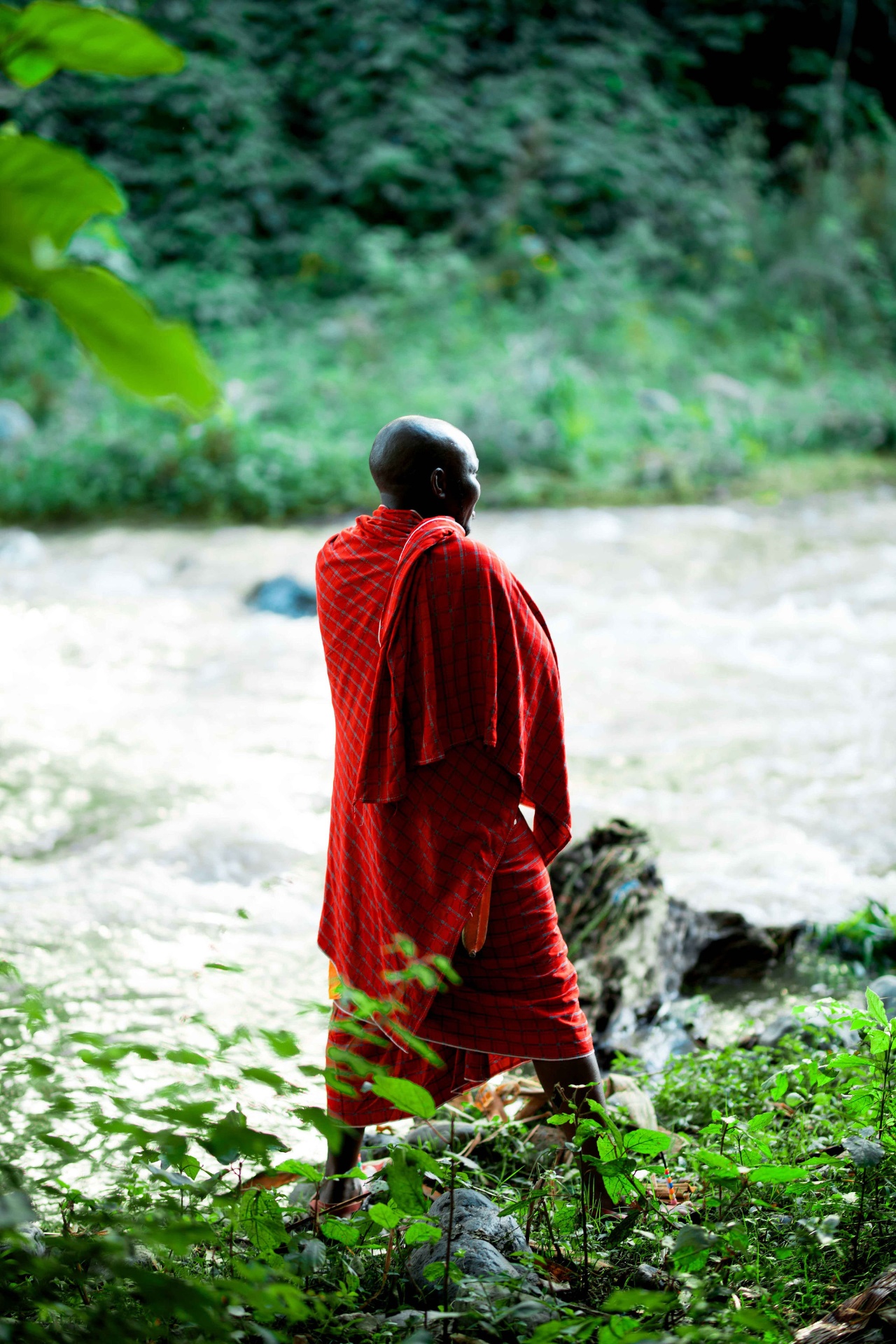
Set within the river-fed landscapes of Arusha, Tanzania, Mtoni is not an isolated sanctuary. It is part of a living ecosystem where local communities, natural resources, and sustainable tourism are deeply interconnected. The lodge exists because of the land — and in return, it is committed to contributing meaningfully to the people who call this region home.
Local employment as a foundation of growth
One of the most direct ways Mtoni River Lodge contributes to the surrounding community is through local employment in Arusha hospitality and tourism. From construction to daily operations, priority is given to skilled and semi-skilled workers from nearby villages, including roles in hospitality and guest services, gardening and landscape maintenance, culinary support and farm integration, and construction and craftsmanship.
By creating opportunities within the local workforce, the lodge helps strengthen economic stability while preserving cultural familiarity within its team. Employment at Mtoni is not just transactional — it is relational. It builds long-term skill development and fosters a shared sense of ownership in the lodge’s growth.
Infrastructure built through local collaboration
Beyond employment, Mtoni actively engages in community-based infrastructure development in Arusha. Construction methods prioritize local materials and local expertise. Earth, thatch, timber, and river stone are sourced within the region, ensuring that development remains rooted in the surrounding environment rather than imported systems.
This approach supports local material suppliers and craftsmen, traditional construction knowledge systems, and sustainable building practices aligned with the land. The use of river stone in key structures such as the restaurant, reception, and administration house reflects not only design identity but also a commitment to local resource integration.
Shared ecosystems, shared benefits
The relationship between Mtoni and the surrounding community extends into the land itself. The same river system that supports local agriculture also nourishes the lodge’s green spaces, vegetable gardens, and banana groves. This shared reliance on the Nduruma River ecosystem creates a natural balance between hospitality and agriculture.
Local farmers use traditional irrigation systems fed by river streams to cultivate their land, while the lodge integrates similar ecological principles into its own food production. The result is circular: communities cultivate the land, the river sustains both farms and lodge, the lodge sources fresh produce locally, and economic value returns to the community.
Sustainable tourism with local impact
As part of the growing eco-tourism sector in Tanzania, Mtoni is committed to ensuring that tourism becomes a force for local empowerment rather than extraction. This means prioritizing local hiring over external labor imports, supporting small-scale farmers through direct sourcing, investing in regionally available construction materials, and encouraging cultural continuity in design and operations.
Sustainable tourism here is not an abstract idea — it is measured in livelihoods supported, skills developed, and ecosystems preserved.
A shared future along the river
The river that flows through this landscape does not belong to the lodge alone. It belongs to the communities, the farms, the wildlife, and the generations that have lived alongside it. Mtoni exists within this shared system — one where hospitality and community development are not separate goals, but interconnected outcomes.
Every structure built, every person employed, and every ingredient sourced reflects a single intention: to grow without displacing, and to host without disconnecting.
Mtoni River Lodge is more than a destination. It is a participant in a larger story of community resilience, environmental balance, and shared progress — ensuring that growth along the river is experienced by everyone it touches.