
December 2025 · 6 min read
Maasai Boma Architecture: The Earth and Thatch Design Philosophy of Mtoni River Lodge
Earth, thatch, and circular spatial logic — how the rooms at Mtoni are grounded in a Maasai boma tradition shaped by climate, culture, and the Arusha landscape.
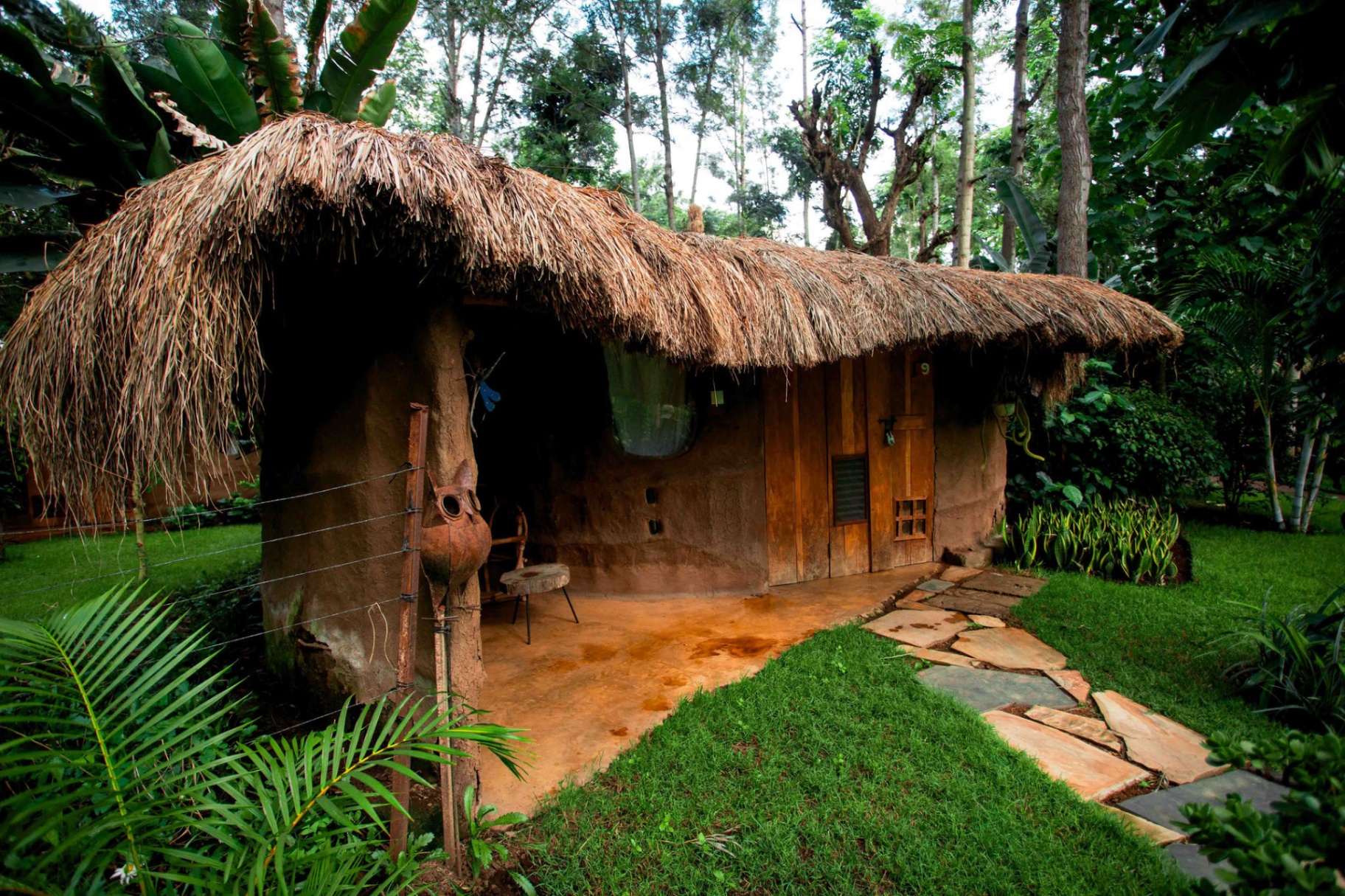
In the open landscapes of Arusha, Tanzania, architecture has never been separate from life. It has always been shaped by climate, culture, and necessity. At our luxury lodge in Arusha, this wisdom is not referenced as inspiration alone — it is actively built into every structure.
The boma-inspired rooms at Mtoni are grounded in the Maasai boma architecture tradition, where earth and thatch are not aesthetic choices, but intelligent responses to environment, temperature, and community living. This is sustainable architecture in Tanzania, expressed through form, material, and spatial rhythm.
The logic of earth and thatch construction
The rooms are constructed using natural earth and thatch — materials that belong to the land itself. This approach is rooted in centuries of traditional African building systems, where homes were designed to respond to heat, wind, and seasonal change without mechanical intervention.
Earth walls naturally regulate indoor temperature, keeping interiors cool during the day and warm during cooler nights. Thatch roofing softens sunlight, allowing filtered light and ventilation to move through the space. Together, these materials create a living structure — one that breathes with its environment rather than resisting it.
Circular spatial design: the boma principle
At the heart of Maasai boma architecture is the circle. This circular logic is reflected in how space is organized and experienced at Mtoni River Lodge. Rather than rigid linear layouts, the design encourages flow, orientation, and openness.
The circular form represents equality of space, natural movement between areas, a sense of enclosure without confinement, and a connection to communal living traditions. This spatial intelligence is not decorative — it is functional heritage architecture.
Climate intelligence in design
The use of earth and thatch is not symbolic. It is climatic intelligence refined over generations. In the context of eco lodge design in Arusha, these materials perform critical environmental functions: earth stabilizes internal temperatures naturally, thick walls reduce heat penetration, thatch roofs allow hot air to rise and escape, and natural ventilation reduces dependency on artificial cooling.
This creates a low-impact, energy-efficient living environment that aligns with modern sustainability principles while remaining deeply traditional.
Cultural continuity through architecture
Mtoni River Lodge does not replicate Maasai boma design as a visual motif. Instead, it respects it as an architectural language. This means preserving spatial principles rather than just appearance, using materials that reflect local ecosystems, honoring indigenous construction logic, and maintaining harmony between structure and landscape. This continuity ensures that the lodge remains culturally grounded within its environment in Tanzania.
Minimal impact construction philosophy
One of the defining principles of Mtoni River Lodge is minimal environmental disruption. By using locally available materials such as earth, thatch, and timber, construction avoids unnecessary industrial processing and long-distance material transport — a philosophy shared with the people who shaped the lodge, as we describe in our piece on building with the community.
The result is a reduced environmental footprint, stronger integration with the surrounding landscape, and architecture that feels placed rather than imposed. The lodge becomes part of the terrain — not an interruption of it.
Living within the landscape
Set near the river ecosystem of Arusha, the river-facing rooms exist in continuous dialogue with nature. The design does not dominate the environment but responds to it — light, wind, vegetation, and seasonal rhythm all influence how the space is experienced. This is not just accommodation. It is eco-luxury living in Tanzania, where architecture and nature are inseparable — best understood through our cultural experiences in Arusha.
Through earth, thatch, and circular spatial logic, the lodge offers more than shelter — it offers continuity with a way of building that has always belonged here. Book your stay at Mtoni River Lodge to experience these earth-and-thatch rooms in person.
Related Reading
Continue exploring Mtoni
- About Mtoni River LodgeHow the lodge was designed to disappear into the riverbank.
- The Boma-Inspired RoomsTour the 24 riverfront rooms shaped by this tradition.
- Standard River RoomsCompact earth-and-thatch sanctuaries closest to the water.
- Building With the CommunityOn the craftspeople who shaped every wall, beam, and bead at Mtoni.
- What the River Has Taught Us About TimeA quieter companion piece on the rhythm the architecture serves.