
July 2026 · 10 min read · Travel Guide
Planning Your Tanzania Safari? Here's Why Your Stay in Arusha Matters More Than You Think
Where you begin — and end — a Tanzania safari shapes the whole journey. A practical, honest guide to why Arusha is the smart base, how many nights to plan, and what to look for in a lodge before you ride out to the parks.
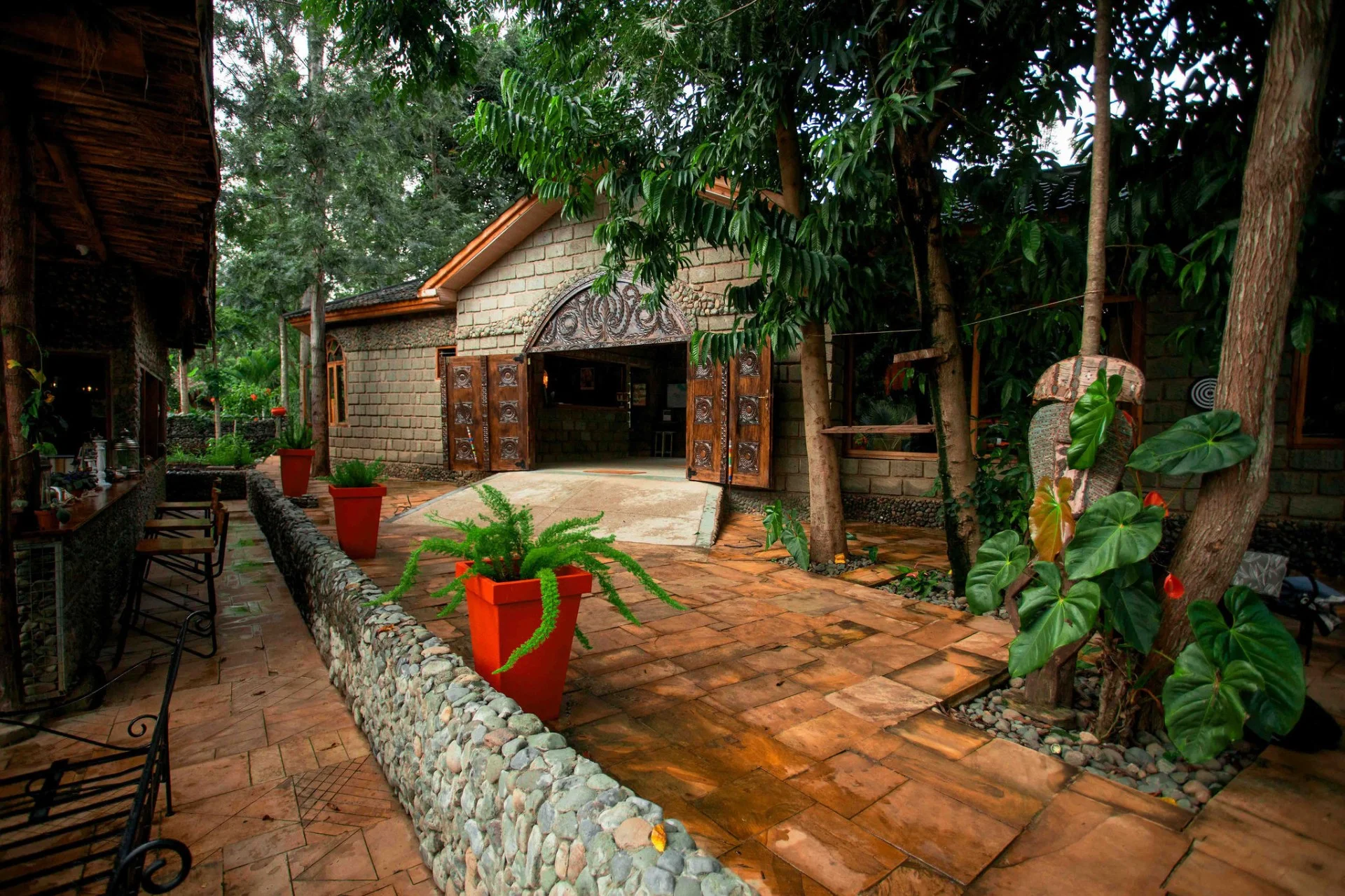
For most travellers, a Tanzania safari is a once-in-a-lifetime journey. Months of planning collapse into a handful of dawns on the plains, evenings around a fire, and long, dust-lit drives through country that still moves at the pace of animals. What almost every first-time visitor underestimates is how much the days before and after the safari shape the trip. And those days, whether you plan it or not, belong to Arusha.
This guide is written for travellers who are actively planning a safari in the Northern Circuit — the Serengeti, the Ngorongoro Crater, Tarangire, Lake Manyara and Arusha National Park — and are trying to decide where to stay when they land. It covers why Arusha matters, how many nights to allow, what to look for in a safari lodge, and the small, practical questions that most itineraries leave out.
Why Arusha is the gateway to Northern Tanzania
Almost every Northern Tanzania safari begins in Arusha. The town sits at the base of Mount Meru, close to Kilimanjaro International Airport, and within a comfortable drive of every major park in the Northern Circuit. Safari operators, park permit offices, guide associations and vehicle workshops are all clustered here — which is why itineraries almost always route through it.
From Arusha, the driving distances to the parks are honest and predictable:
- Arusha National Park — around 45 minutes.
- Tarangire National Park — around 2 hours.
- Lake Manyara National Park — around 2 hours.
- Ngorongoro Conservation Area — around 3.5 hours.
- Serengeti National Park — around 6 to 8 hours by road, or a short bush flight.
Choosing to stay in Arusha is not a compromise on the safari — it is part of the safari. The town is where kit is gathered, plans are made, and travellers finally slow down after long flights.
How many nights should you spend in Arusha?
The honest answer: at least one night before your safari and one night after. For most travellers, two nights on either side is better. A single overnight rarely offsets a long-haul flight, and the first game-drive day is otherwise spent recovering in the vehicle rather than watching wildlife.
Here is a simple planning table:
| Traveller | Before safari | After safari |
|---|---|---|
| Regional / East Africa | 1 night | 1 night |
| Europe / Middle East | 1–2 nights | 1–2 nights |
| North America / Asia | 2 nights | 2 nights |
| Combining with Kilimanjaro | 2 nights | 2–3 nights |
Why staying before your safari makes a difference
The days before a safari are not empty days — they are working days. They protect the trip you have planned for months. In our experience, guests who arrive with a night to spare enjoy their first morning in the parks in a completely different way to those who came straight from the airport.
- Flight recovery. Long flights leave the body dehydrated, stiff and low on sleep. One quiet night resets more than any coffee ever will.
- Guide briefing. Most safari operators run a pre-departure briefing to review the route, timings and vehicle arrangements. Doing it rested is doing it well.
- Equipment preparation. Layers, camera batteries, binoculars, adapters, medication — all of it is easier to check in daylight, with time to fix anything missing.
- Relaxation. A safari is not a holiday of doing nothing. Starting rested means the first sightings register the way they should.
- Adjusting to the climate. Arusha sits at over 1,400 metres. A day here gives the body a gentle first read on the altitude, temperature and light.
Why staying after your safari is worth it
The end of a safari is quieter than travellers expect. Days on the plains ask a lot of the body and even more of the senses. Trying to fly home the same afternoon you leave the Serengeti almost always feels rushed — and often means missing a flight if the bush transfer is delayed.
- Rest. A long, motionless night in a quiet room after days of dust and early starts.
- Laundry. Safari clothes come back dusty. Same-day or next-morning laundry sends you home with clean bags.
- Celebrating. A slow dinner, a proper glass of wine, and time to actually talk about what you saw.
- Shopping. Craft markets in Arusha are the best place to find Tanzanite, Makonde carvings, and Maasai beadwork without the safari-lodge markup.
- Local culture. Coffee farms, cultural walks and small village visits are usually skipped on the way in; the return leg is when they are enjoyed properly.
- Avoiding rushed departures. International flights out of JRO leave late in the evening. A buffer day protects the entire journey home.
What makes a great safari lodge?
A good pre- and post-safari lodge is not measured in stars. It is measured in how well it lets you rest, prepare and recover. The questions worth asking of any Arusha property are simple:
- Is it quiet? Traffic noise and city bustle work against sleep.
- Is it close to both the airport and safari operators?
- Are the beds and rooms designed for deep rest?
- Is the food fresh, seasonal, and safe for sensitive stomachs?
- Can the team handle early breakfasts, luggage storage and transfers without friction?
- Does the environment feel like Tanzania — or like anywhere else?
Mtoni River Lodge was built around exactly these questions. The property sits on the banks of the Nduruma River in Gomba Estate — quiet, green, and away from the traffic of central Arusha. The rooms are Maasai-boma inspired and shaped for real sleep. The kitchen works with local producers and prepares early breakfasts on request. Luggage storage, airport transfers and operator coordination are handled by a team who does this every week.
Why travellers choose boutique lodges instead of large hotels
Arusha has its share of large chain hotels. They work well for conferences and short overnight stopovers. For travellers here to experience Tanzania, a boutique lodge is usually the better answer.
- Personalised hospitality. The team learns your names, your flight times and how you take your coffee.
- Quieter surroundings. Gardens, rivers and birdsong instead of lobbies and lifts.
- Authentic experience. Local materials, local food, local design — a real sense of where you are.
- Better connection with culture. Boutique properties tend to work closely with Maasai communities, coffee farmers and craftspeople.
What can you do around Arusha before or after safari?
There is more to do around Arusha than most itineraries suggest. If you have a day either side of your safari, spend it well:
- Arusha National Park — a half-day drive through forest, lakes and Mount Meru foothills, often with giraffe, buffalo and flamingoes.
- Coffee farms — visits and tastings across Gomba and the slopes of Mount Meru.
- Local markets — Maasai Market and Central Market for spices, beadwork, textiles and everyday life.
- Cycling — quiet estate roads and river tracks, best in the cool of morning.
- Nature walks — guided walks along the Nduruma River and through neighbouring villages.
- Cultural experiences — meetings with Maasai elders, cooking with local families, and small community projects.
- Dining — long, slow lunches at the lodge or in a handful of quietly excellent restaurants around town.
Many of these are offered directly through our Mtoni Experiences programme — small, unhurried and led by the people who live here. Photographs of the property and the surrounding landscape live in our gallery.
Frequently asked questions before booking a safari
Is Arusha better than Moshi for a Tanzania safari?
Arusha is the recognised safari capital of Northern Tanzania. Nearly every operator, park permit office and safari transfer is based here, and the town is closer to the Serengeti, Ngorongoro Crater, Tarangire and Lake Manyara. Moshi is better suited to Mount Kilimanjaro climbs. For a safari-first trip, choose Arusha.
How far is Kilimanjaro International Airport from Arusha?
Kilimanjaro International Airport (JRO) sits roughly halfway between Arusha and Moshi. From the airport to central Arusha is around 45 to 55 kilometres, or approximately one hour by road. Mtoni River Lodge is on the Arusha side, about 35 minutes from the terminal.
Should I book accommodation before my safari?
Yes. During peak season, reputable Arusha lodges fill months in advance. Booking at least one night before your safari departure protects your itinerary from flight delays and gives you time to meet your guide, review the route and prepare your kit calmly.
How early should I arrive in Arusha before a safari?
Plan to arrive at least one full night before your safari begins. Two nights is better if you are travelling from Europe, North America or Asia — one night rarely offsets a long-haul flight. Arriving early protects the first game-drive day, which is otherwise spent recovering rather than watching wildlife.
Can I leave luggage at the lodge while on safari?
Yes. Most Arusha lodges, including Mtoni River Lodge, offer complimentary secure storage for luggage you do not need on safari. Travel with a soft duffel for the vehicle and leave hard-shell suitcases at the lodge until you return.
What should I pack for a Tanzania safari?
Neutral, layered clothing (khaki, olive, beige), a warm fleece for early game drives, a wide-brim hat, sunglasses, reef-safe sunscreen, insect repellent, binoculars, a headlamp, a refillable water bottle, and any prescription medication. Laundry is available at the lodge before and after the trip, so pack light.
What currency should I bring to Tanzania?
US dollars are widely accepted for park fees, tips and larger purchases — bring newer notes (series 2013 or later) in mixed denominations. Tanzanian shillings are useful for markets, small cafés and taxis. Cards are accepted at most lodges and larger restaurants.
Do I need cash in Arusha?
You should carry some cash — mainly for guide and driver tips, curio markets, and smaller village stops during safari. ATMs in central Arusha dispense shillings; foreign-exchange bureaus handle dollar and euro conversions.
How many nights are enough in Arusha?
One night before and one night after the safari is the minimum. Two nights before is ideal for long-haul travellers, and two nights after gives you real time to rest, do laundry, explore Arusha and celebrate the trip before flying home.
Why Mtoni River Lodge is the ideal safari base
After hosting thousands of travellers arriving and departing from the parks, we have learnt what a good safari base actually requires. Mtoni River Lodge is designed around it:
- Peaceful gardens that let the nervous system settle after long-haul travel.
- A riverside setting on the Nduruma — water, birds, and shade.
- Boutique accommodation with genuinely quiet rooms and beds built for real sleep.
- Authentic architecture inspired by Maasai boma traditions and built with local materials.
- Excellent dining that uses seasonal produce and handles both early breakfasts and celebratory dinners with equal care.
- Airport convenience — a straightforward, safe transfer to and from Kilimanjaro International Airport.
- Warm hospitality from a team that has helped thousands of safari travellers arrive well and leave well.
More about the property, the design and the philosophy behind it lives on our lodge page. If you have a specific question that is not answered here, our contact page is the fastest way to reach us.
Enquire about your stay
A safari in Tanzania is not something you rush into or out of. Give yourself a night on either side — arrive gently, leave well, and let the country do the rest. When you are ready, we would be honoured to host you before and after the parks.
Related Reading
Continue exploring Mtoni
- The Perfect Arusha Stay for Safari TravellersWhy Mtoni is the chosen base for travellers heading into Northern Tanzania.
- Where to Stay Before Climbing Mount KilimanjaroA practical guide to choosing accommodation in Arusha before your trek.
- The Perfect Boutique Lodge Near Kilimanjaro AirportA calm, authentic beginning and ending to your Northern Tanzania journey.